
For Parents
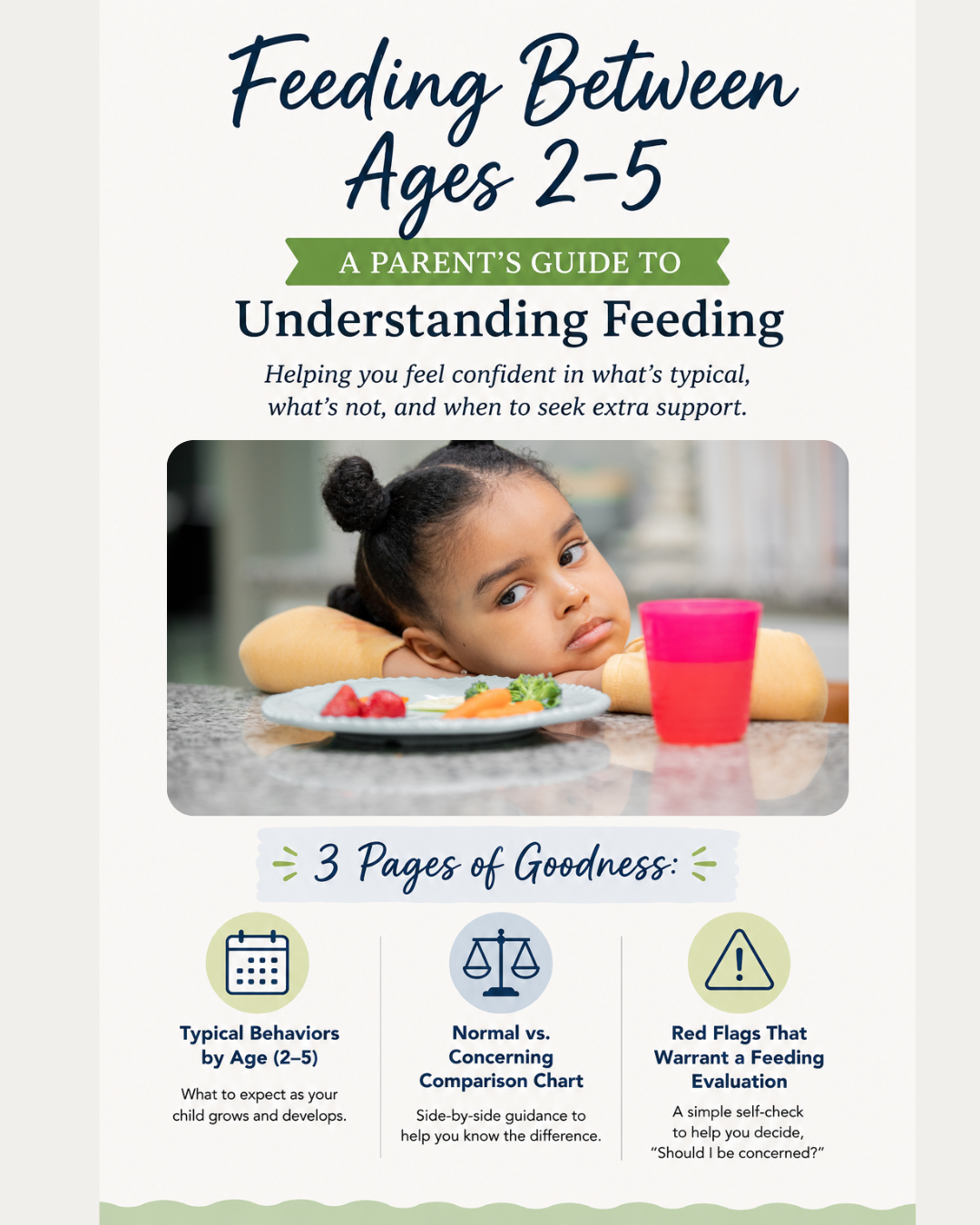
A Parent's Guide to Understanding Feeding Between Ages 2–5
3 pages of goodness:
Typical behaviors by age (2–5)
Normal vs. concerning comparison chart
Red flags that warrant a feeding evaluation for a simple self-check ("Should I be concerned?")
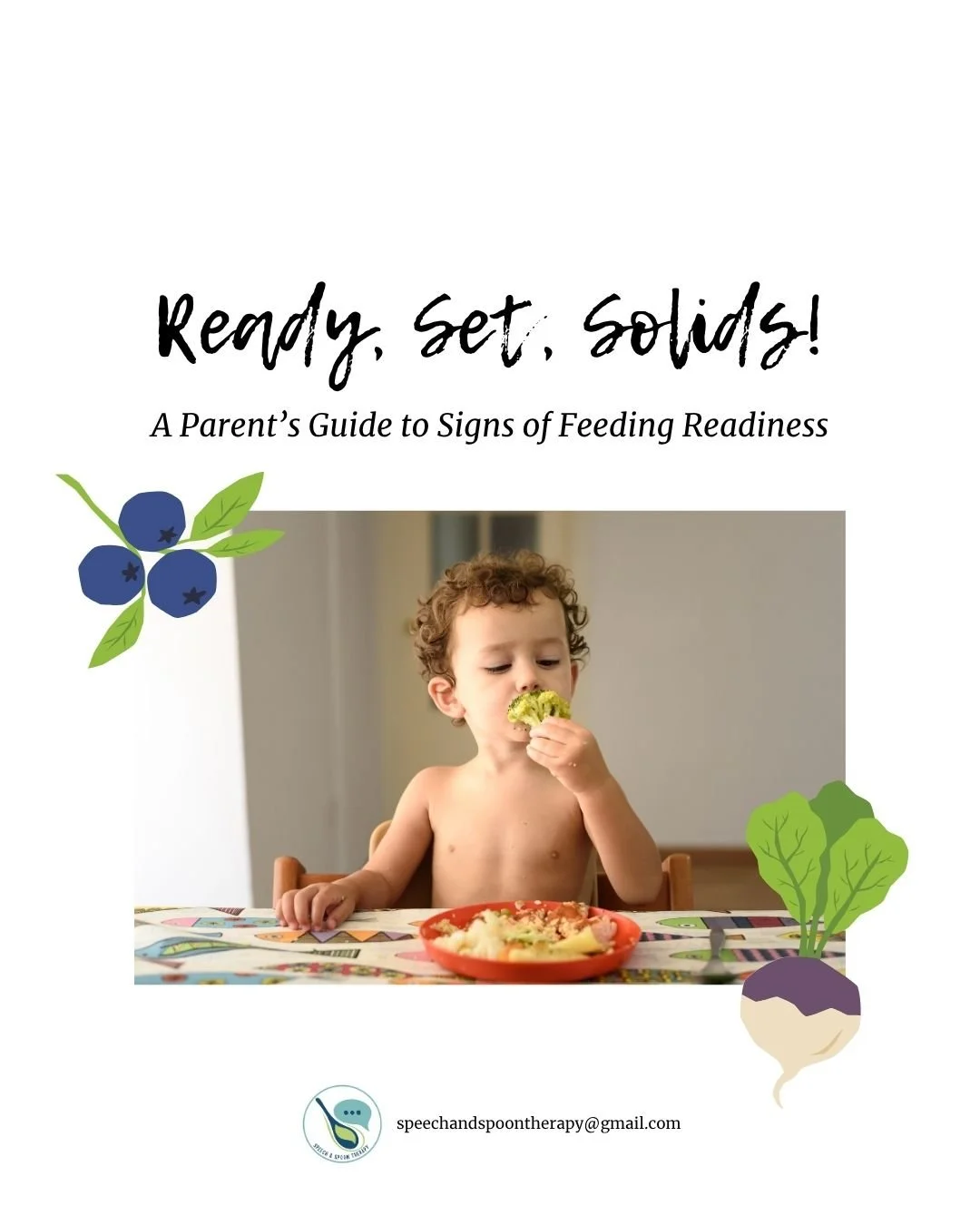
A Parent's Guide to Signs of Feeding Readiness
Wondering if your baby is truly ready to start solid foods? This easy-to-read guide takes the guesswork out of one of the biggest feeding milestones. Learn the developmental signs of readiness, when to wait a little longer, fun feeding facts, and simple safety reminders to help you feel confident before offering those first bites.
You'll learn:
✔ Developmental signs your baby is ready for solids
✔ Signs they may need more time
✔ Common feeding myths and fun facts
✔ Simple safety tips for successful mealtimes
Perfect for parents of babies 6–12 months who want to start solids with confidence.
Includes:
6-page printable PDF
Developmental readiness checklist
Signs your baby may need more time
Parent-friendly feeding facts
Safety reminders for starting solids
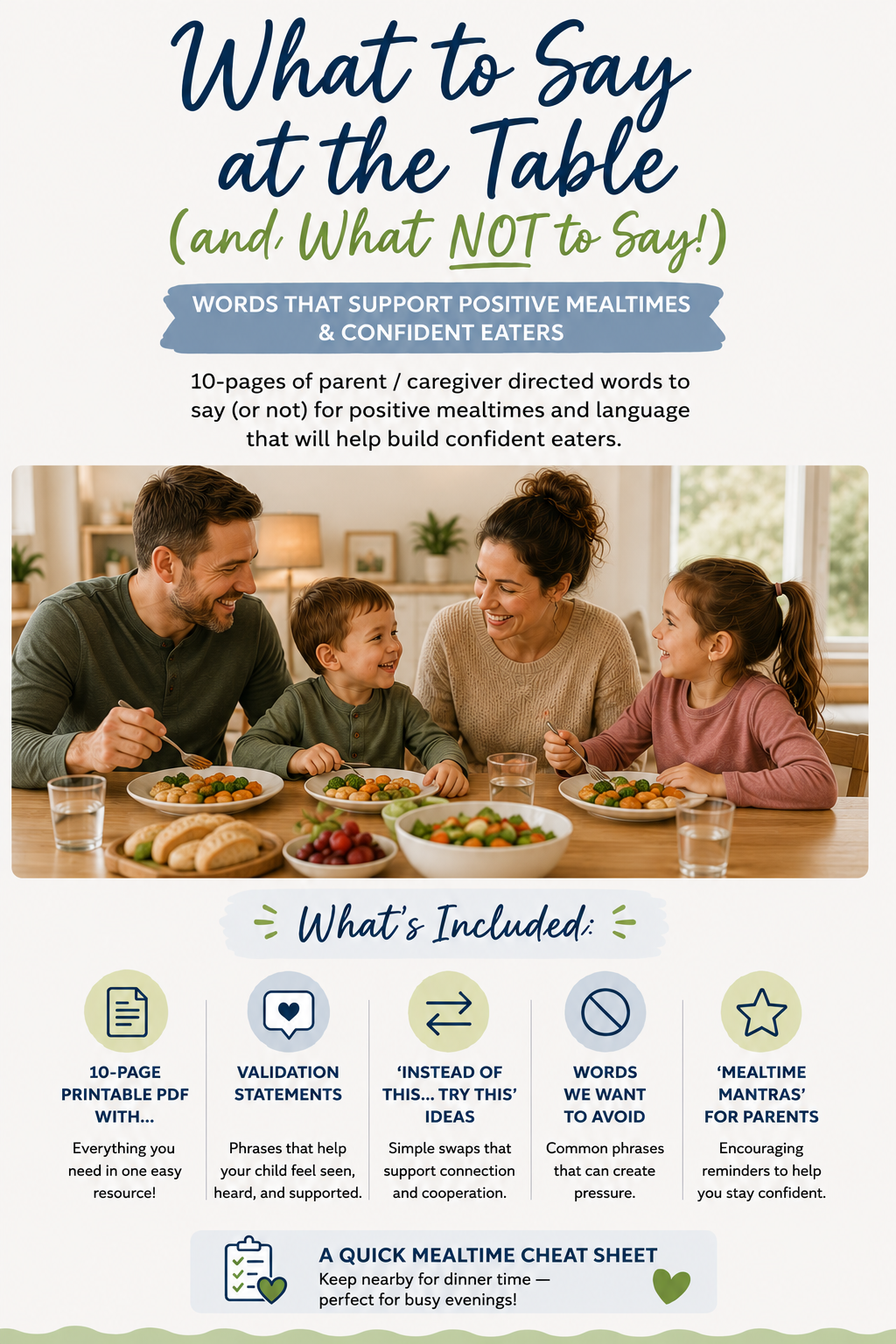
Brave Bites Series
10-pages of parent / caregiver directed words to say (or not) for positive mealtimes and language that will help build confident eaters.
Whats included:
10-page printable PDF with…
Validation statements
‘Instead of This... Try This’ ideas
Words we want to avoid
‘Mealtime Mantras’ for parents
A quick mealtime cheat sheet, to keep nearby for dinner time
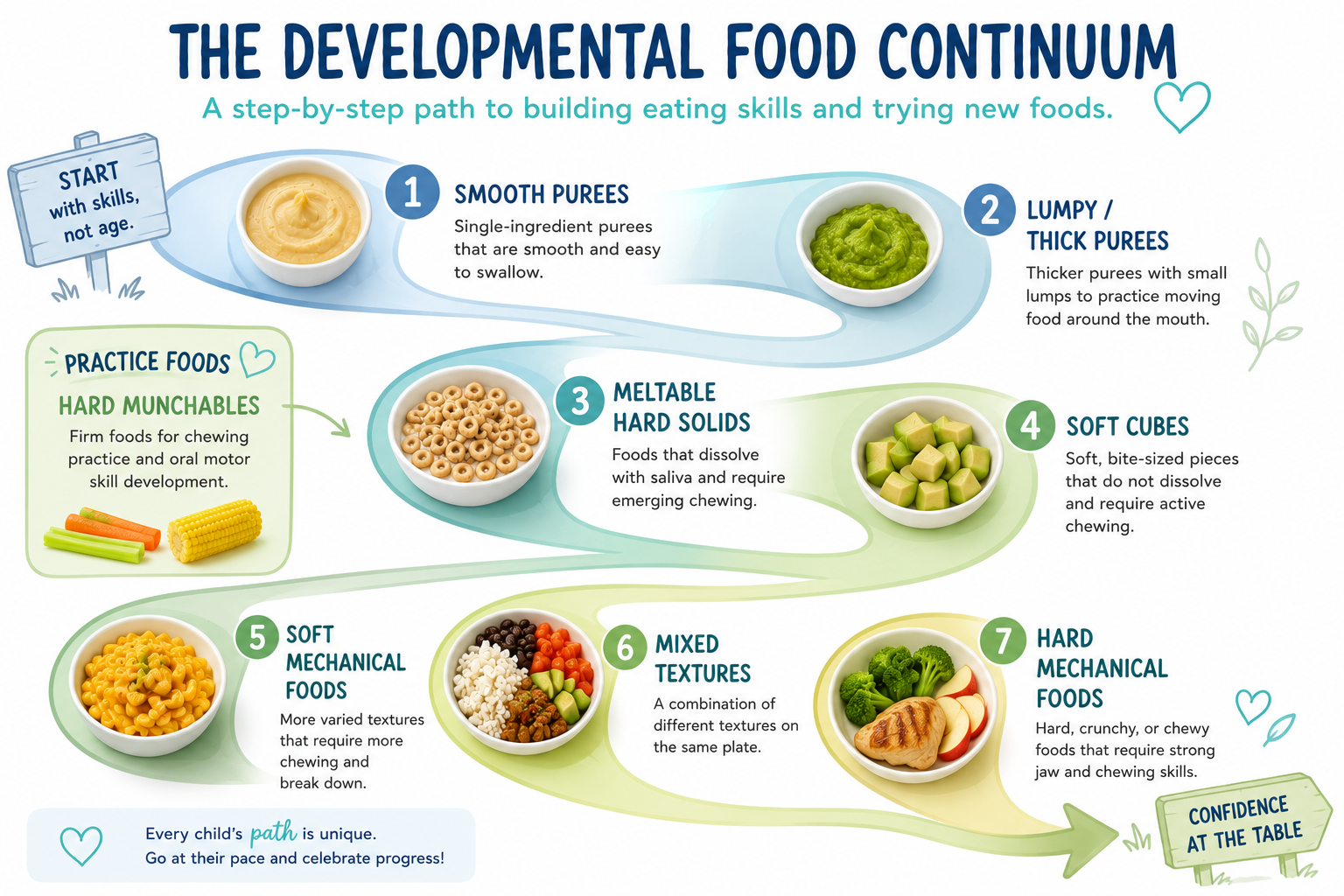
A parents visual guide to food progression.
Learn what each texture means, how eating skills develop, when your child may be ready for the next stage, and how to confidently support feeding at home.
A 16-page, parent friendly guide to food textures, that helps answer questions like:
"Is my child ready for this texture?"
"Why can they eat crackers but not bananas?"
"What do I try next?"
"When should I worry?"
"How do I know what's normal?"
With real food examples, developmental skills and milestone information, and next steps.
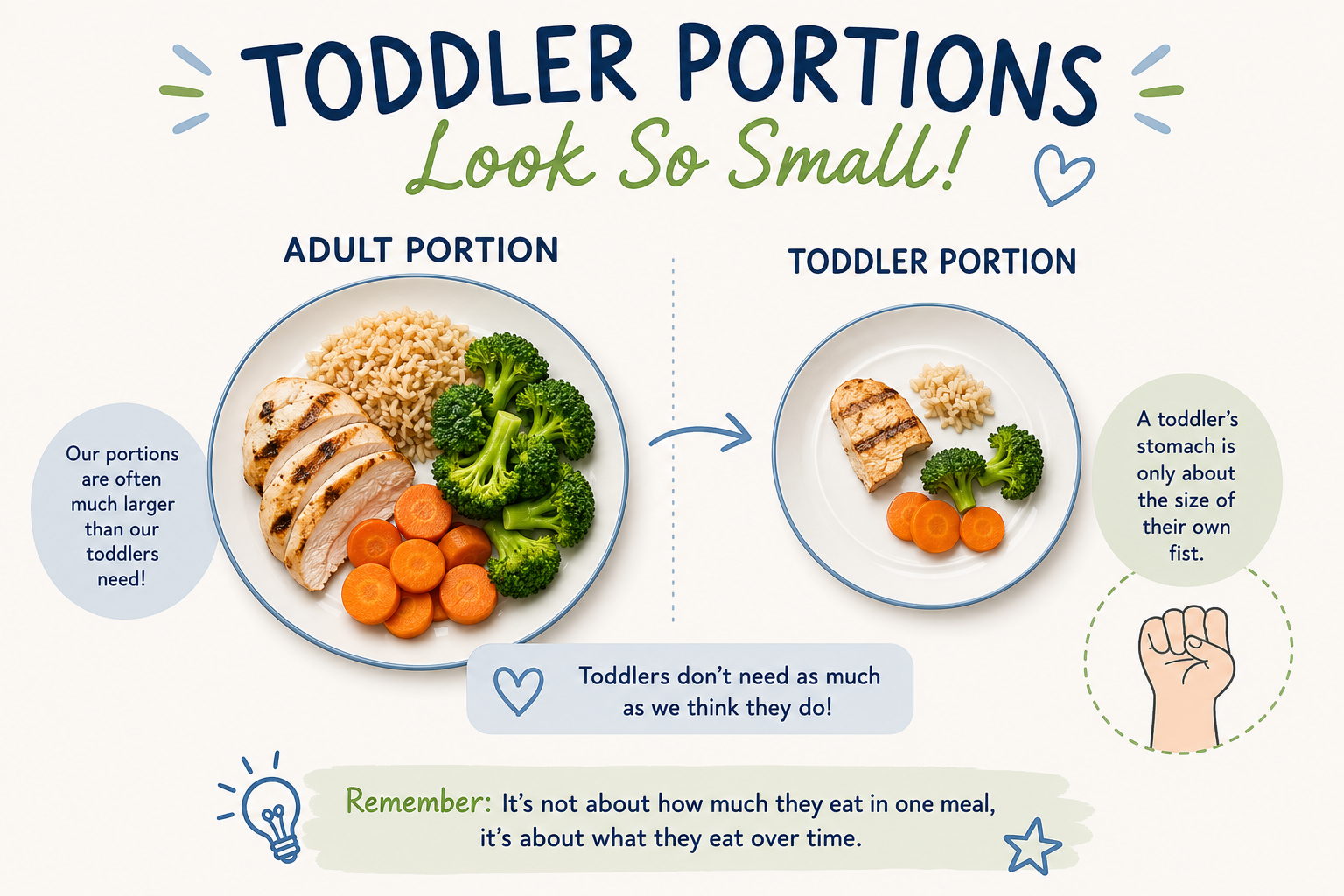
Stop guessing what a toddler "should" eat.
Learn what normal toddler portions really look like—with visual examples, realistic expectations, and evidence-based guidance that takes the stress out of mealtimes.
What you get:
✔ 11-page printable guide
✔ Parent-friendly visuals
✔ Evidence-informed
✔ Created by a pediatric feeding therapist
Big communication growth can happen through little everyday moments.
The Little Language Guides were created to give families simple, practical strategies for supporting speech and language development—without turning everyday life into therapy.
This is a FREE 8-guide collection uses easy-to-understand explanations, real-life examples, and strategies families can begin using right away.
No special toys. No complicated activities. No homework. Just practical ways to show up, model, respond, and make room for communication.
For educational purposes only. This resource does not replace individualized evaluation or treatment by a qualified professional.
For Teachers
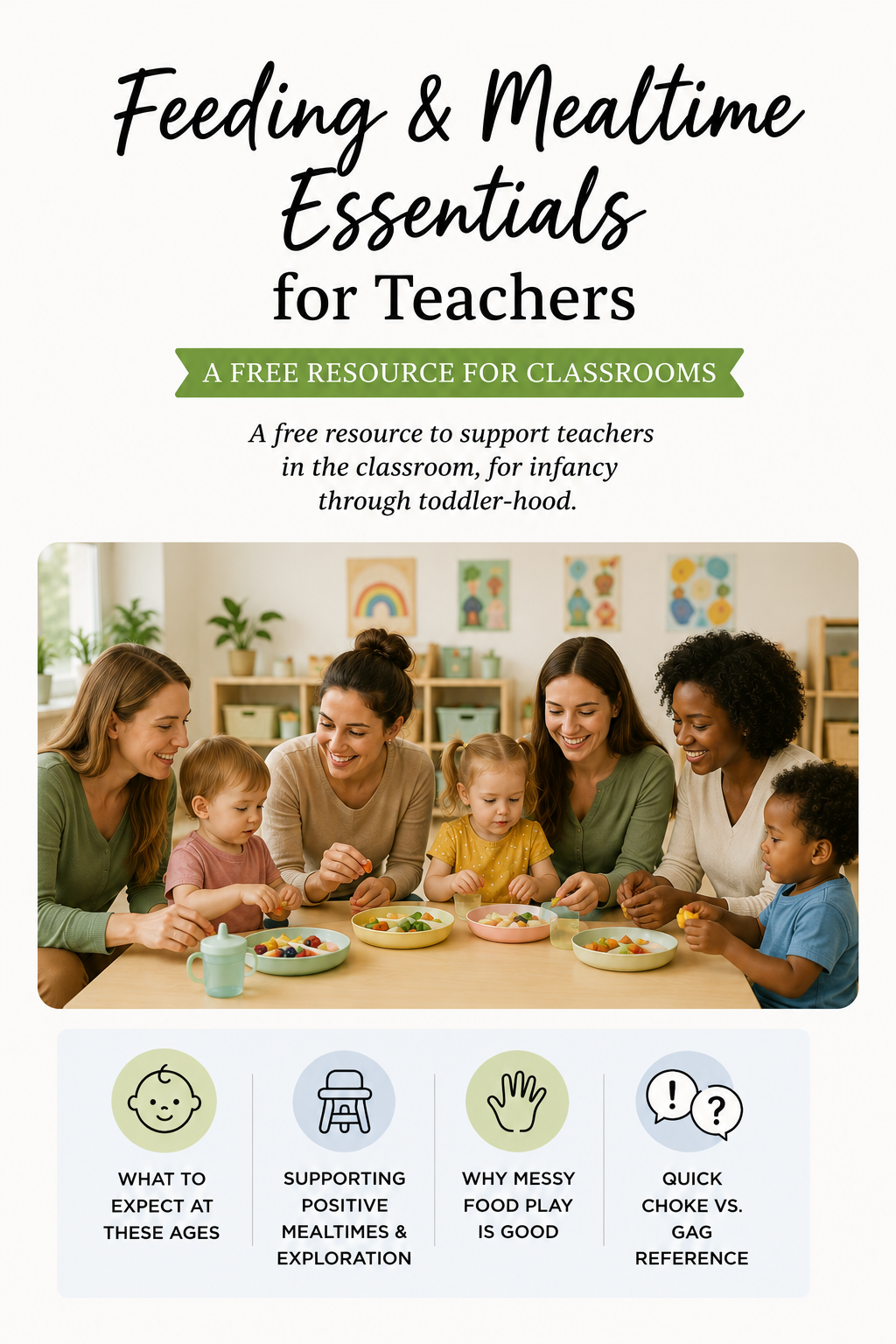
A free resource to support teachers in the classroom, for infancy through toddler-hood.
What’s included:
What to expect at these ages
Supporting positive mealtimes and exploration
Why messy food play is good
Quick choke vs. gag reference
Foods New, Gagging Happens!
But when does it become worrisome?
Here’s a quick one- page resource to minimize some fear in both you and your child.
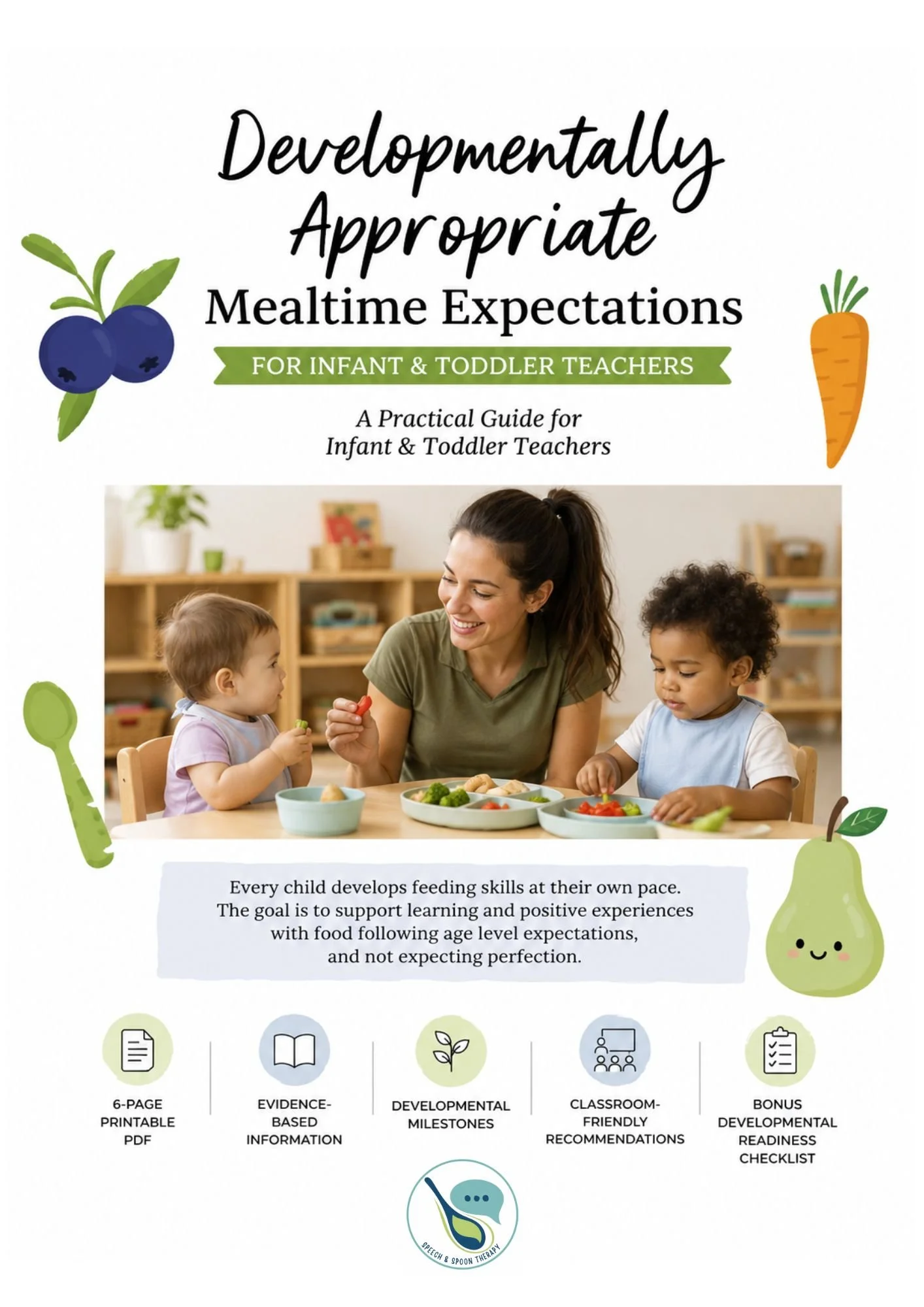
A Practical Guide for Infant & Toddler Teachers
Every child develops feeding skills at their own pace. The goal is to support learning and positive experiences with food following age level expectations, and not expecting perfection.
Whats included:
6-page printable PDF
Evidence-based information
Developmental milestones
Classroom-friendly recommendations
Bonus Developmental Readiness Checklist
"From 'Clean Your Plate' to 'Trust the Process': How Feeding Therapy Has Changed Mealtimes."
a Free PDF download to help change the tone of mealtimes and understand what feeding therapy is really all about.
For Home
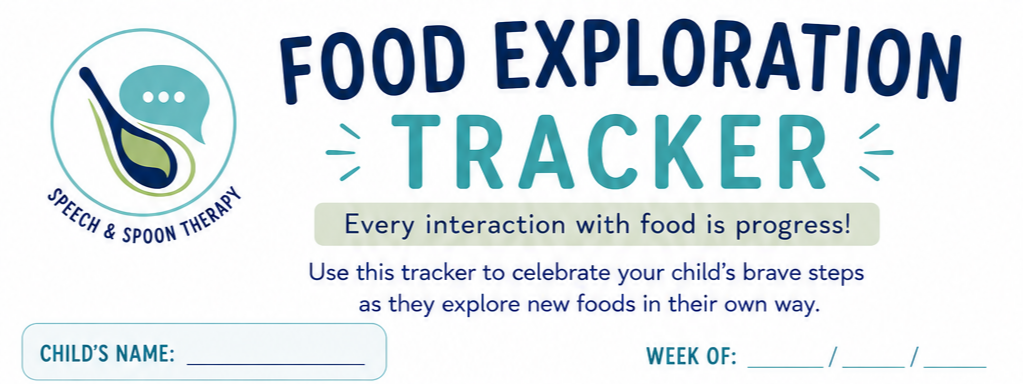
A fun way to track your kiddos success with food exploration at home!
Pairs well with the ‘Summer Activities Kit’
The Food Exploration Ladder
Helping children build confidence with new foods—one step at a time.
A simple SOS-style progression visual for food exploration without the pressure to eat, with little words of encouragement for when meals get tough!
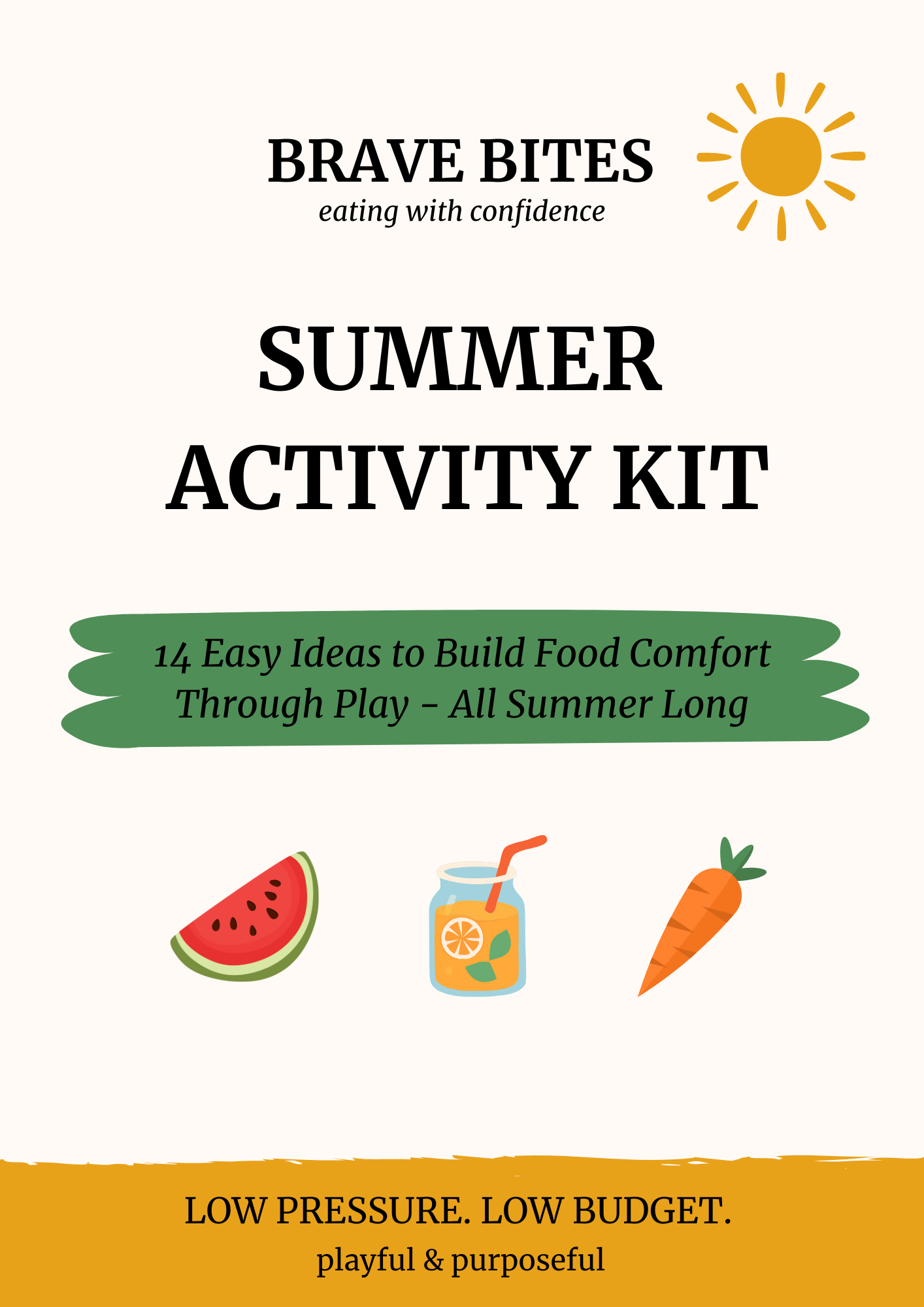
Brave Bites Summer Activity Kit: 14 Ways to Build Food Comfort Through Play.
Calmly build food tolerance, sensory flexibility, and curiosity without pressure.
Looking for ways to naturally support feeding progress without it feeling like “therapy homework”? Then this kit is for you!
What’s inside:
14 simple activity ideas
printable, one-page per activity
minimal prep and low-budget